

When the weather changes

2019 Auricle Writing Competition First Prize

By Gizem Hasimoglu

Prompt: “How have your ideas and notions about being a doctor changed since starting medical school or entering clinical years?” 


When the weather changes, so do you.

The shaking off of leaves and the layering of dew,

The scorch marks of past fires and the blossoms of something new,

Medicine is like the weather – when it changes, so do you.


***

 Spring


Wide eyed, well dressed

Nervous butterflies fill the room

It’s your first day, no need to be stressed

‘Student doctor’ is your costume


Years of study have bought you here

Yet suddenly they seem so far

You have no idea what is to fear

You think you’ve passed the bar


It’s a new page, a fresh start

You take a deep breath and open the door

Excitement fills your heart

Looking around, you can’t wait to explore


Flashing lights, buzzing sounds

All the doctors seem to be saving lives

Magical seem the hospital grounds

You can’t wait to help someone survive


Summer


Wide smile, stethoscope around your neck

It’s a few weeks in and you’ve got the flow

You think you’re ready for a pay cheque

Yet you still can’t write notes, you’re way too slow


You know all the doctors by name

Although they don’t know you

You tell yourself you’re on the path to fame

And occasionally you get a free coffee too


Ward rounds and logbooks are becoming too easy

Although consultant questions still stop your breathing

At least you now know what to do when someone is wheezy

Perhaps maybe you should do some teaching


Patients think you’re important and first years idolise you

You can now hear murmurs, as long as they’re grade six

This is what it’s all for, you might finally help a few

Just stay away from hospital politics


Autumn


Tired eyes, looking defeated

Reality is slowly catching up to you

You’re feeling as if you’ve been cheated

You just can’t figure out by who


You reflect back on the start

Reminiscing about books with all the answers

As you stand here in front of endless patient charts

None of which seem to have curable cancers


The many lessons told about patients slowly fade

As they are replaced with the lessons taught by patients

The amount you know becomes outweighed

As the amount you don’t, begins to cause hesitation


The idealistic view of medicine you held so strongly

Starts to fade away like falling leaves

Slow at first but stripping you surely

As you feel the cold breeze you begin to grieve


Winter


Head low, shoulders down

The weight of the stethoscope begins to feel heavy

Patients look vulnerable in the hospital gown

And you no longer feel comfortable being so dressy


Only months left for ‘the brain tumour’ the doctors found

While ‘the murmur’ is struggling to breathe

You wonder what it will be like when it is the ground

Rather than the hospital sheets that they are beneath


When their families plead with their hopeful eyes

You no longer wish it was you they put their trust in

And when each of your sighs only amplifies their cries

Even a moments rest feels like sin


But this isn’t a hypothetical exam question

You realise there isn’t room for the unknown

When faced with a real life or death situation

The now empty patient beds make you feel alone


***


But do not despair for eventually Spring will return to you,

Summer, Autumn, and Winter too,

Life isn’t all about the daises, it’s about using what happens to renew,

That’s why medicine is like the weather – when it changes, so do you.
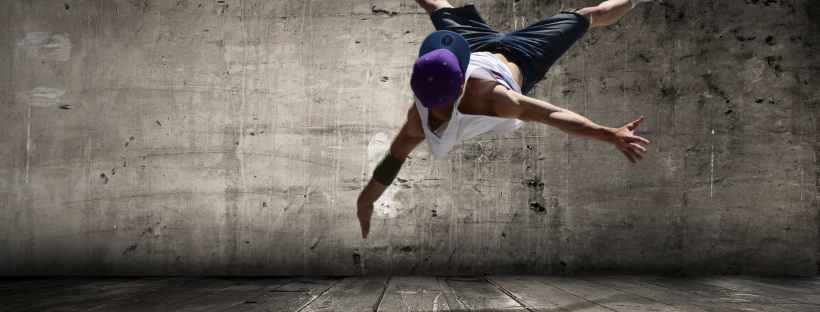
 

In the mood to dance?

Emily Feng-gu 

With calendars brimming with study, work, extra-curriculars, and social events, fitting in time for exercise can fall off the radar. Getting enough exercise shouldn’t feel like another burden on your time and mental space. For those of you for whom more traditional exercise activities, such as jogging or cycling, just don’t seem appealing, you might want to consider dancing. Associated with a range of physical and mental health benefits, dancing is a fantastic exercise option. Moreover, if going to a regular dance class is primarily for personal enjoyment, then it’s more likely to be a sustainable fitness regime.

Physical benefits

Even when undertaken at an amateur level, dancing is an effective way of improving fitness levels. Benefits differ depending on style, duration, and frequency of dance. In general, however, studies have shown that regular participation in dance can reduce the risk of developing several chronic diseases, including cardiovascular disease, diabetes, osteoporosis, back pain, and even neurodegenerative conditions such as Alzheimer’s Disease.

Furthermore, dance has beneficial effects on balance, co-ordination, and flexibility. Unlike some more traditional exercises which involve repetitive movements of a select few muscle groups, dance requires active concentration in co-ordinating and balancing complex movements and engages the whole body.

Mental benefits

Medicine offers a rewarding and meaningful vocation, but the path can be long and sometimes testing. Developing healthy coping mechanisms early is invaluable for maintaining wellbeing, happiness, and the right mindset to thrive as doctors. Regular participation in dance has been shown to improve mood, decrease feelings of anxiety and stress, and improve self-esteem and overall quality of life across a broad range of age groups.

Dance is also an opportunity to take a mental break and reconnect with the body. It’s a chance to tune out the planning, the ‘what ifs’, and the other million little things fighting for your attention, and genuinely appreciate what it feels like to live in a body. When going about our daily routines, our body runs on autopilot while our mind is elsewhere. Dancing prompts new movements and unfamiliar forms and makes it a little trickier to translate mental instructions into actions. This compels us to reappreciate the interconnected relationship between mind and body.

Finally, dance pays tribute to the body’s functional beauty. So much of the focus in media and pop culture is on what our bodies look like and how they might look ‘better’, but that entirely misses the point. Bodies aren’t for looking at, they’re for doing things. Dance can be wonderfully expressive and cathartic, a reminder that bodies are not passive objects but active forces able to change the space and world around us.


My experience

I used to think you had to be a certain type of person to be involved with dance, and it simply was not a mould I felt I fit into. It was only after being roped into a class by a friend that I realised my mistake.

The group present at my first dance class could only be described as eclectic. It included an effortlessly classy older couple who had been married for 40 years and had danced for 30 of them, two children who were too short to comfortably dance with anyone except each other, and everyone in between. Irrespective of age, size, or experience level, every person left smiling. I am the first to admit I had my initial reservations, but the experience was overwhelmingly warm and positive. Ultimately, it sparked an interest in dance I never imagined I would have.

The upshot

For anyone who is curious about starting or re-starting dance but feels intimidated, please take it from me – anyone can get involved. Round up some friends and sign up for a class, whether it be Zumba, salsa, swing, hip hop, ballroom, or anything else that takes your fancy. Alternatively, if dancing without any eyes on you is a more comfortable proposition, No Lights No Lycra dance events are held in the dark and have a fundamentally non-judgemental ethos. It may just be the one fun night out, but perhaps you’ll pick up a new way of staying happy and healthy.


The reality of imposter syndrome

“I’ll never be good enough”

“What am I doing here?”

“I don’t deserve this”

If any of these phrases sound familiar to you, you may be suffering from imposter syndrome. Imposter syndrome is a psychological phenomenon where you feel like you don’t deserve you own success. It’s that gnawing voice of self-doubt that only criticises and focuses on your flaws, or that fear of being outed as incompetent. It’s feeling like a fake or as though you don’t deserve your success, putting it down to good luck and timing instead.


If you relate to this self-doubt and fear of being revealed as a fraud, you’re not alone. Imposter syndrome is highly prevalent, with up to 70% of people experiencing at least one episode in their lifetime. In fact, I have a sneaking suspicion that it may be even higher in the high-achieving cohort of medical students and healthcare professionals where you’re surrounded by people who excel and the stakes are high. I’ve seen it in my friends, my peers, and it’s something I’ve often seen in myself. After my very first exam in medical school, I remember the fear of not belonging at medical school, of being revealed as some dumb high-schooler who had conned the interviewer into admission, despite the HD I had just recieved. Now at the end of my medical degree with internship fast approaching, these doubts still haunt me – I fear that I will be an incompetent intern, a deadweight dragging down my team.


Looking back over my years at medical school, I’ve now realised that this has been a massive source of stress, anxiety and low self-confidence, and I know that this will only get worse once internship and “real” responsibility starts. In addition, while imposter syndrome isn’t a diagnosable mental health condition, it can be linked to depression and anxiety. As such, what can we do to combat imposter syndrome?


How to overcome it?

Unfortunately there is no quick fix for imposter syndrome, but it can be overcome with ongoing, conscious effort. Some strategies I personally believe would be useful include

  • Gathering hard, objective evidence about your successes: write down a list of your achievements and skills. This isn’t bragging or tooting your own horn, it’s acknowledging that you are capable and deserving of your own accomplishments.
  • Talk with your peers in a safe environment: it can be really helpful to voice your thoughts – often you’ll find they share the same concerns, which helps normalise your feelings and lets you know you’re not alone


At the end of the day, remember: you are better than you think you are. You know more than you give yourself credit for. You have value. You are worthy. You are enough.