
Tips for Wellbeing: Global Pandemic Edition

By Molly Maxwell

When I entered Year A, I knew that the hardest challenges I would face would be those that I had not considered. A global pandemic was definitely not something I had prepared for. As today is my first day of online schooling, I feel there is no better time to share some ways we can adapt to our new version of normal and get out the other side to help all of the medical staff who are fighting for us today.

 How to: Pandemic University

  1. Most important (for all aspects of life) is routine. Establishing a routine of “normal” study hours is essential to allow us to maintain our sanity whilst in isolation. This includes actually getting out of bed and getting dressed which can be challenging when you don’t have to.
  2. Make an online study group. Thanks to the wonders of the internet, this is not so hard for us through Zoom, Facetime, or the Forest app. It’s a great way to keep yourself accountable and maintain some socialisation.
  3. Be adaptable. Online learning is not the greatest way for us to learn to be doctors but that doesn’t mean that it can’t be a good way. Accept our new challenges for what they are and use this time to build resilience and adaptability which is essential for our future.

How to: Outbreak Wellbeing

  1. Remember to exercise. With gyms closing around the country, it’s important to still maintain an exercise regime at home. A plethora of online at home workouts exist for free on the internet so you can look after your body whilst in isolation.
  2. Go outside. With social distancing and isolation our reality, remember to still go outside. If you’re lucky enough to have a backyard or balcony, use it. A bit of vitamin D and fresh air can do wonders for our wellbeing in trying times.
  3. Social distancing doesn’t mean distancing socially. Whilst we can’t go and hang out at the pub or with all our friends for the time being it is important that you still make an effort to communicate. This golden age of technology means that remote communication is as easy as ever so find new ways to hang out whether it be a niche PowerPoint night broadcast over zoom or daily phone calls with people you love.

How to: Nurture your mental health

  1. Acknowledge your feelings. This is a scary time for everyone. It is okay to feel frightened or stressed or defeated, but you are not alone. Let yourself be not okay. Remember that this is a temporary situation and that you will not have to feel this way forever.
  2. Reach out. If you are struggling to manage your mental health during this crisis, seek help. If you are already seeing a mental health practitioner, many offer telehealth to attend your appointments from home. There are also many online resources from Beyond Blue and Lifeline that can give you handy tips including this forum to speak with people who are in the same boat as you.
  3. Self- care. Now is a perfect time to incorporate self-care into your daily routine and make looking after yourself a priority. This can be anything from taking a relaxing bath to getting ready for the day. Make sure to prioritise making yourself feel good (easier said than done). We all deserve to go a bit easier on ourselves right now.

Hopefully some of this was helpful to you. If all else fails, download Tik Tok and go on a deep dive. This whole pandemic thing should be over by the time you get out. Wash your hands and be kind to people!
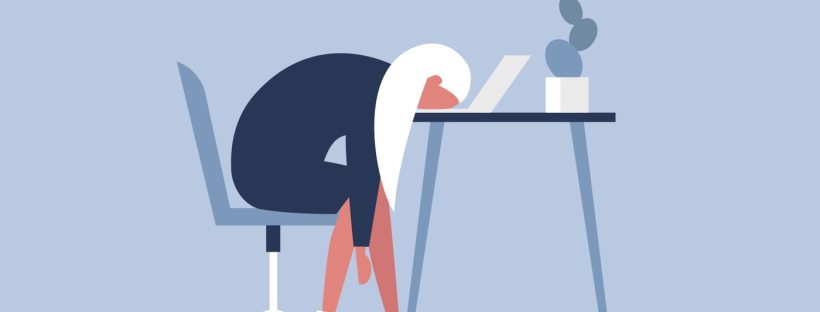

Musings of a Worn-Out Med Student

By Rav Sellahewa 

You’re too harsh on yourself. You have always been your sharpest

critic. You have a strong and over-powering superego, a voice in the

back of your head- that tells you off. You hear it whenever you don’t

study, whenever you don’t gym. It tells you off when you want to

relax. It represents an idealized self-image of yourself. An image

that you no longer have the tenacity to maintain. You have spent too

many years of your life trying to appease it. Too many years fighting

off the urge to laze around and watch Netflix. You’ve finished 4 years

of medical school, a BMedSc(hons), and are nearly done with your first

5th year rotation and you are tired. You’ve earnt a break. You need a

break. Tell your super-ego to go get f****d. It’s time to give in to

your impulses and desires- and let your Id shine. It’s time to watch

that god-awful reality dating show on Netflix and enjoy it, because

you deserve it.”


A Monash Love Letter to the Jaffies

#8519

Clayton/Medicine/Being a first year


Scrolling through Monash Love Letters has become a part of my daily routine. Reading through the sad breakup messages and hopeful love letters to strangers with the excitement that maybe one day I will come across one for myself. It’s funny how I treat it as light-hearted banter, until I read one that I can personally relate to.


Over the past semester, several letters written by first year Medical students have appeared on my newsfeed, many hitting close to home. Starting university was most likely a daunting process for many of us. Even having grown up in the area and living close to campus, the thought of having to leave my old friends and start a new chapter of my life amongst strangers in a course I was interested in yet uncertain about was nerve-wrecking.


First year is the start of a long journey, and as a second-year student looking back, I too remember the feeling of not quite fitting in. I remember feeling disconnected from my peers as they greeted each other every day with hugs and excitement. As someone who is naturally introverted, I often felt uncomfortable around large groups of people I did not know well, mostly whom seemed extroverted and enthusiastic. As many students know, compared to other university courses, Medicine can be ‘cliquey’ and as semester passes by, it can seem difficult to make new friends once everyone has settled into their own groups. If you are in the same shoes as I was, it is easy to use study to escape the insecurity and anxiety associated with the stress of the course.


Eventually, I decided I would be the one who had to actively get to know my peers, even if the thought of making small talk was something I dreaded. I did not want to make superficial relationships just for the sake of making friends in my course; rather, I decided to get to know people who I felt I could ride out my medical journey with. When you find people you can click with you don’t feel the need to change yourself to fit into ‘the group’, rather you feel comfortable being your complete self around them. Thankfully, I have a small but close group who I can study, party and have fun with. Get involved, stick around after classes and lectures, go to events and even if it seems lonely, you are not alone with this feeling.


It is important to note that medicine can be one the loneliest professions. It can be difficult to maintain long-lasting friendships while studying full time at university for long hours, continuing into residency and clinical training. As much as it is rewarding, medicine is a demanding and competitive career where much of your study is reliant on working and spending time alone.


We all know medicine is a hard and stressful course, so we have to do everything we can to look out for one another. I encourage you all to check up on your friends and to be inclusive and welcoming. Although you may be comfortable in your bubble of friendship, go to events and get to know new people, approach your peers if they look like they would like some company and shoot your shot with the person you wrote a MLL about, because we are all in this long journey together.