

“Shield” by Samantha Yee

Samantha Yee is a Year 2A medical student and contributed this moving piece, which was featured in The Auricle’s May-June Edition.


I’ve always thought honesty my shield – that if I have nothing to hide, then there is nothing they can use to hurt me… I know my truth. I stand proud on the challenges I have faced and conquered and revel in the triumphs in my life. Though I am simply traversing the plains of life, equally uncertain and unknowing of the path that lies ahead, my experience might be one others may vicariously extract wisdom from, and I too through theirs.

This is not to say I am to shout out to the world my savings, my social security number: my identity but have I inevitably through the life story I have so willingly shared upon a single question, shared upon curiosity, given up my individuality?

My grandma says getting to know a person is analogous to a flower blooming on a spring day. Its beauty so ephemeral that a rush to bloom will simply hasten the wither. We are but simple creatures: beauty enraptures us, reflections and refractions of light captures our gaze and threatens to never let go – but only for as long as it exists. In our desire to be acknowledged, we forget the evanescence of it all, only questioning thereafter where it all went wrong and how we are left with nothing except the remnants of another’s fleeting attention.

Where do we draw the line between honesty and deceit; self-preservation and cunningness? Why must answers that are given be half-truths? Why should we omit our story for fear that it might be turned upon us and taken advantage of? Why do others seize upon vulnerability and raw emotions and experiences only to mould them into weapons of destruction of the worst kind – the self? Am I to fear that one day, a misplaced trust in another might shatter my shield, leave me defenceless and alone against the prowling wolves of life?

They say I will learn – like a wide-eyed puppy freshly birthed from a mother’s womb, a blank canvas – my elders will be my guide and I shall soon soak up their wisdom to navigate life. But what a paradox that is… because amongst
all the lessons they imparted upon me, they say veiled honesty should also extend to those near and dear – that no one should know me better than myself; that there are secrets of the self that I should take to the grave. What a lonely journey that will be… To be unable to place unconditional trust in the physical is to place unconditional trust in the intangible – life’s most venerated but at times, most unforgiving guide: mistakes.

At this point in time, I am fortunate to still be in the warm embrace of mother life. She is tender and nurturing. Alas, this too is ephemeral. Mistakes of today are tolerated but less certain is this patience for the mistakes of tomorrow and of a few years to come. As we begin to lift from her embrace and onto her shoulders, a fall from this height can be devastating. The gift of recovery is limited and she may only extend it to a privileged select few who she has ascertained has the means to rebound and prosper… I may not be one of them and the ripples of my fall may indirectly hurt those still in her tender embrace.

I may be making a mountain out of a molehill but truth be told, I am fearful. I am questioning the integrity of my shield that took 20 years of life to forge and how difficult it may be to reinforce it and imbue it with newfound mystery. I only ask for the strength and dexterity of an experienced blacksmith to craft my shield to accompany me to the end of this plain.

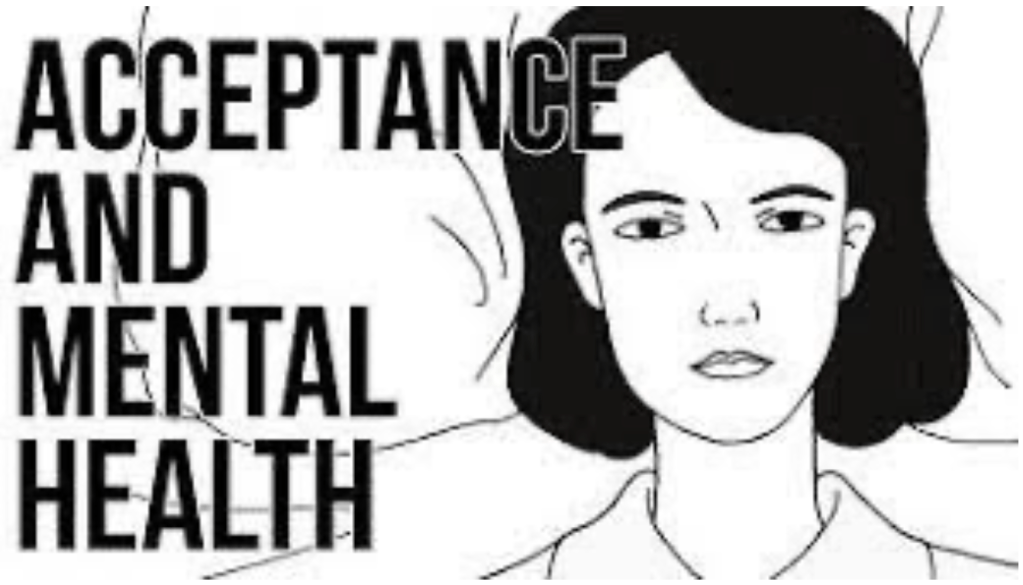

Wellbeing Wednesdays: Mental Illness and Acceptance – selected quotations, collated by Hamzah Haggag

In this instalment of our Wellbeing Wednesdays series, medical student Hamzah Haggag shares some thoughtful quotations from The School of Life on our approaches to mental health.


“One of the great contributing factors to mental illness is the idea that we should at all costs and at all times be well. We suffer far more than we should because of how long it can take many of us until we allow ourselves to fall properly and usefully ill. In a crisis, our chances of getting better rely to a significant extent on having the right relationship to our illness; an attitude which is relatively unfrightened by our distress, which isn’t overly in love with the idea of seeming at all times ‘normal’, which can allow us to be deranged for a while in order one day to reach a more authentic kind of sanity.”

“It will help us immensely in this quest if the images of mental illness we can draw on at this time do not narrowly imply that our ailment is merely a freakish and pitiable possibility, if we can appeal to images that tease out the universal and dignified themes of our state, so that we do not – on top of everything else – have to fear and hate ourselves for being unwell.”

“The best philosophical background against which to wrestle with mental unwellness would be one that conceived of the human animal as intrinsically rather than accidentally flawed, a philosophy that would resolutely reject the notion that we could ever be perfect and would instead welcome our griefs and our errors, our stumbles and our follies as no less a part of us than our triumphs and our intelligence.”

If we learn to confront our illness without panic or fear…

“We feel less guilty that we are not at work and are not playing up to the roles demanded of us by responsible others. We can be less defensive and frightened, more inclined to seek out proper care – and more likely to recover properly in time. With a philosophy of acceptance in mind, we can recognise that whatever the particularities of our crisis (which will naturally need to be investigated in due course), our pains fit into a broad picture of a crisis-prone human condition. No one is spared. No life can escape significant troubles. Everything is imperfect. We don’t have to know the details of someone’s life to be able to guess at the scale of the difficulties they too will have encountered. We have all been born to inadequate parents, our desires will always exceed reality, we will all make some appalling errors, we will hurt those we love and anger those with power over us, we will be anxious and confused, woeful and lost.

We should accept both that we are profoundly unwell – and that our ailments are entirely normal.”

Quote credits from the School of Life


WELLBEING WEDNESDAYS: HOW IS EVERYONE BETTER THAN ME AT EVERYTHING? …AND OTHER QUESTIONS I ASKED MYSELF by Cindy Zeng

Enjoy these poignant words on self discovery and improvement by Cindy Zeng from MUMUS Community and Wellbeing as she describes a process of asking important, but sometimes difficult, questions.


The pursuit of perfection is something that runs rife throughout medicine; and with that, comes the inevitable and often obsessive comparison of oneself to others.

You cannot get through (or into) medicine, without being compared to another person, whether that’s through grades, interviews, research, positions or extracurriculars, and this process breeds a group of incredible, successful people who are constantly striving to achieve more.

The desire for self-growth and development is good, but oftentimes it’s all too easy to go down the rabbit hole of comparison.

Question 1: How is everyone better than me at everything?

When I look around at my peers, it’s all too easy to compare myself with someone who’s written ten research papers, or gotten a scholarship I was rejected from, or done way better on exams than me – and it looks like they’ve done it so effortlessly.

This sort of comparison doesn’t only exist within the realms of medicine, it also extends into the rest of life. From the outside looking in, I’m always able to find someone who just seems smarter, more athletic, better at making friends and all around more successful. And this leads to the next question I ask myself.

Question 2: Why am I such a failure?

A term you’ll hear floated around a lot: “imposter syndrome” – you don’t have to look any further than your own cohort to find people who report feeling “inadequate”, “useless”, “incapable” and “out of place”. And I’d be lying if I said that I lucky enough to escape these thoughts.

It’s so easy to write your achievements off as nothing when it seems like people around you are achieving way more and doing it way easier.

Question 3: How do I get better?

This question led to the self-improvement phase, which was just me trying to do everything that I thought a good medical student should do.

I planned my day the night before, woke up early, exercised, meal-prepped, scheduled set times to study, worked hard for long hours, helped make resources and run events for the cohort and – don’t forget work-life balance – I even dabbled in meditation and made time and go out with my friends.

I was doing everything right… yet I was completely and utterly miserable.

Question 4: Why am I so unhappy?

On paper, my work-life balance looked impeccable. I was working towards a version of myself that I’d previously compared myself to and aspired to be. I’d still compare myself to others, but like a disciplined medical student, I’d schedule in steps to adopt their habits and add them to my own routine.

But I started to lose interest in activities that I once loved – exercise became a chore, I was no longer excited about medicine, music didn’t interest me and going out with my friends was just another checkbox on my to-do list.

I used to be such a driven, passionate person who (to the detriment of my productivity) couldn’t resist a chat with a friend or friend-to-be. But now, I felt empty and hopeless, and in the obsessive pursuit of perfection, I felt like I didn’t even know myself anymore.

Question 5: What now?

Being about a year later now, I can’t say that I never have doubts about my abilities, or that I never wish that I could be more like someone else.

But now I do things to enjoy them, not because I think I should be doing them, and I no longer put so much pressure on myself to do the best in everything.

Take it from me when I say that chasing an idealised version of what I thought was the quintessential medical student did not make me happy. Waking up dreading the day ahead and experiencing chronic dissatisfaction surrounding every area of my life was in no way worth the superficial gratification that I got from trying to be impressive on paper.

It took a lot of self-reflection on who I really was as a person, and it took a lot of time to rediscover things that I loved. At times, it felt like I was taking one step forward and sixty steps back, but I can now confidently say that I’m much happier and more confident in who I am as a person.

And instead of asking how everyone is better than me, I’m constantly asking myself:

Question 6: How can I be the happiest version of myself?