
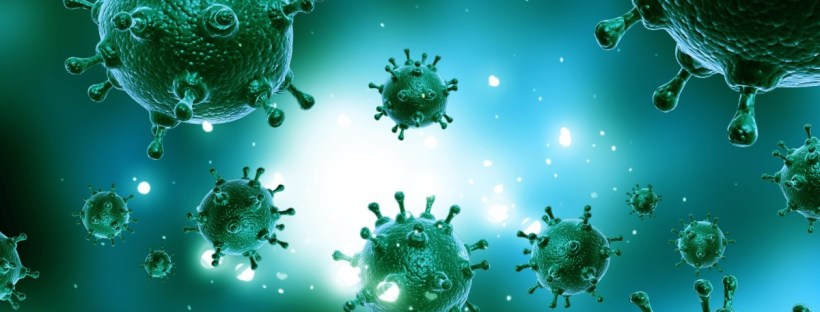
COVID-19: The Debate Going Viral

By Anna Shalit

It was three weeks ago, the first day of my week of clinics on my paediatric rotation and I was assigned to the rheumatology clinic. I’d spoken to my family over the weekend and decided that since my placement was still going ahead, I wouldn’t be seeing them for a while, as I did not want to risk making them sick. Most of the children in rheum clinic were immunosuppressed and I had spent the train ride to hospital pondering how I would feel if I inadvertently gave one of them coronavirus. When the consultant at the clinic politely asked us if we minded just going to the library instead, I was almost relieved. The fear had set in and I had stopped feeling like a medical student and started feeling like a vector. Two days later the hospital asked students to stop coming in. 

Most of us chose medicine because, in some way or another, we wanted to help people. So being stuck at home in a crisis, completely powerless and unable to help, is frustrating to say the least. On clinical placement we can feel useless at the best of times. We’re constantly asking for things from people, whether it be asking the nurse where to find the cannulas, asking the doctor why they’ve prescribed one drug over another or asking the patient for their time and consent, we rarely get to genuinely give back. And yet placement is the best way for us to be able to give back in the future. If we can’t go to placement, will it impact our ability to be good doctors? In the long term, of course not. But the idea of being an intern with almost one year of clinical experience missing? That’s something to keep me up at night. 

I’ve gone back and forth so many times about what our role as medical students should be during this coronavirus pandemic. I don’t want to back down from a challenge, and I recognise that in lots of ways, being on placement in a time like this could be invaluable in the future. I’m also not worried about becoming sick myself – I’m young and healthy and I’ve got a far better chance of recovery than many of the doctors on the front lines. Besides, most of our placements would allow for us to avoid having contact with any cases. This is the reality of medicine – how can we simply put this massive part of our lives on hold and wait for it to end? What about when we’re the doctors during the next pandemic?

However, we can’t deny that we pose a risk to the hospital population. Young people are likely to be silent carriers of COVID-19. We could be the fistula allowing the virus to leak from the supermarket shelves into the wards. The potential to bring harm is not only terrifying, but unfortunately, very real. And as selfless as we like to think we all are, it is important to consider that there may be a significant risk to us too. 10% of the people in Australia with coronavirus currently are healthcare workers. This isn’t a risk to be taken lightly. Not to mention, while I’m privileged to be physically healthy, not all medical students are, and it would be completely irresponsible to insist they continue their placements at a time like this. 

So placements have been put on hold for now, but what about the all mighty “surge workforce” that the media is in a frenzy about? Those of us who have the ability to help are more than happy to step up. Most senior medical students could genuinely be of service to doctors if they were called upon. Sure, we can’t exactly manage complex patients on our own, but we can type notes, call the path lab, and (with shaky hands) do cannulas. Be it taking temperatures in fever clinic or writing discharge summaries for a strung-out resident, we will step up if that’s what doctors want. 

The reality is, however, that they must want us there, or we will be helping no one at all. In the meantime we’re trying to help in any way we can, setting up volunteer organisations to call isolated people, offering to babysit for healthcare workers and most importantly, staying home.

 If (and when) medical students are asked to step up and help, we will be waiting, and we will be ready. We might even be prepared. But until then, for me at least, it feels like the best way to help is to do nothing at all. 


Finding Light in the Darkness

By Monique Conibear

On a camping trip a few months ago, we had to drive over a 4WD track in 2WD cars after dark to find another site after our original campsite fell through. We were all tired and stressed, driving over sharp rocks and getting scratches all over the sides of the car. At the time it was horrible, however afterwards, I realised that through experiencing something like that we were now better equipped to deal with challenges in the future.

I still find it crazy to think that this time two months ago we had no idea this was all going to happen. We were going ahead as normal, planning out our semester and looking forward to events with no idea what was ahead of us. As usual, I was setting goals for the semester; trying to predict what sort of schedule I would have so that I could organise going to the gym more, using social media less and minimizing screen time. Goals such as this have become impossible, but instead I am growing in ways I never would have imagined.

Already I have learned a lot about dealing with uncertainty. You are never going to know exactly what your future will look like and that is okay. I don’t know whether the state will be going into lockdown tomorrow, whether I will start to develop viral symptoms or if someone I know will get sick. Usually that would make me stressed and anxious, however through this experience I have really learnt how to give it to God. I’ve learnt to acknowledge that he is in control and that I do not have to worry about what is happening. This has really helped me to remain positive and hopeful so that whenever I receive bad news I am able to remain peaceful and confident that we will all get through.

I have also learnt a lot about leadership through this time. In all of my committees we have had to brainstorm new and innovative ways to reach out to people, such as through Zoom calls, self-care videos and posts (such as this one). We have become better at thinking outside of the box, so that when everything goes back to normal we will still be able to implement some of these strategies to reach the students.

Finally, this experience is an opportunity to build resilience. Later on during that same camping trip, a friend and I found ourselves stranded at a random campsite (that needed to be booked) at 11pm with no service and no other place to stay. While our other friends went to try and book online, we were stuck there wondering whether we would need to drive another hour before we could actually get some sleep. Personally, I found that hard to deal with and if I hadn’t experienced other challenges in the past, I may not have been able to handle the stress.

This isolation experience is very similar. During this time it feels horrible and stressful and lonely. When we look back in a year or two, however, we will be able to say that it prepared us for future challenges in a way we never expected.

Tips for Wellbeing: Global Pandemic Edition

By Molly Maxwell

When I entered Year A, I knew that the hardest challenges I would face would be those that I had not considered. A global pandemic was definitely not something I had prepared for. As today is my first day of online schooling, I feel there is no better time to share some ways we can adapt to our new version of normal and get out the other side to help all of the medical staff who are fighting for us today.

 How to: Pandemic University

  1. Most important (for all aspects of life) is routine. Establishing a routine of “normal” study hours is essential to allow us to maintain our sanity whilst in isolation. This includes actually getting out of bed and getting dressed which can be challenging when you don’t have to.
  2. Make an online study group. Thanks to the wonders of the internet, this is not so hard for us through Zoom, Facetime, or the Forest app. It’s a great way to keep yourself accountable and maintain some socialisation.
  3. Be adaptable. Online learning is not the greatest way for us to learn to be doctors but that doesn’t mean that it can’t be a good way. Accept our new challenges for what they are and use this time to build resilience and adaptability which is essential for our future.

How to: Outbreak Wellbeing

  1. Remember to exercise. With gyms closing around the country, it’s important to still maintain an exercise regime at home. A plethora of online at home workouts exist for free on the internet so you can look after your body whilst in isolation.
  2. Go outside. With social distancing and isolation our reality, remember to still go outside. If you’re lucky enough to have a backyard or balcony, use it. A bit of vitamin D and fresh air can do wonders for our wellbeing in trying times.
  3. Social distancing doesn’t mean distancing socially. Whilst we can’t go and hang out at the pub or with all our friends for the time being it is important that you still make an effort to communicate. This golden age of technology means that remote communication is as easy as ever so find new ways to hang out whether it be a niche PowerPoint night broadcast over zoom or daily phone calls with people you love.

How to: Nurture your mental health

  1. Acknowledge your feelings. This is a scary time for everyone. It is okay to feel frightened or stressed or defeated, but you are not alone. Let yourself be not okay. Remember that this is a temporary situation and that you will not have to feel this way forever.
  2. Reach out. If you are struggling to manage your mental health during this crisis, seek help. If you are already seeing a mental health practitioner, many offer telehealth to attend your appointments from home. There are also many online resources from Beyond Blue and Lifeline that can give you handy tips including this forum to speak with people who are in the same boat as you.
  3. Self- care. Now is a perfect time to incorporate self-care into your daily routine and make looking after yourself a priority. This can be anything from taking a relaxing bath to getting ready for the day. Make sure to prioritise making yourself feel good (easier said than done). We all deserve to go a bit easier on ourselves right now.

Hopefully some of this was helpful to you. If all else fails, download Tik Tok and go on a deep dive. This whole pandemic thing should be over by the time you get out. Wash your hands and be kind to people!