

In this instalment of our Wellbeing Wednesdays series, Emil Edirisinghe shares some interesting reflections on mindfulness. That often-dismissed practice of meditation can, according to Emil, have a bigger impact thank you think!
We all know that meditation is good for us – we’ve seen the lectures from Craig Hassed, we’ve seen the news segments, we might’ve even seen an inspirational YouTube video about some millionaire who wakes up at 5am everyday to meditate. Much like exercise, reading or eating healthy, we know that building the habit of meditation would be beneficial to our lives, yet many of us (including myself) struggle to do it.
This article isn’t intended to shame those of us who struggle to build these habits – I am certainly one of these people, and that’s OK! Everyone has their own struggles, and managing to eat healthy, exercise, read and meditate is a gargantuan, if not, impossible task (my scarcely used gym membership attests to this). Rather, I want to share my personal experiences with meditation and its positive outcomes in the hope that it can encourage you to try building this habit yourselves. Even if it doesn’t become an infallible part of your routine, I hope that simply trying to incorporate this habit will be a positive experience in itself!
Personally, I have been able to maintain the habit of meditating intermittently for the past 12 months, and I have found that it has offered enormous benefit to my mindset, focus and emotional wellbeing. These words have a relatively intangible meaning by themselves, so I’d like to share some concrete examples of how these benefits have manifested in my life.
Yesterday, I found myself heavily procrastinating on doing some work – I was sitting on my couch, scrolling through TikTok – all students know the drill. If I were to continue procrastinating, I would fall further behind on my work, and feel terrible about myself. Often, we may find ourselves in these situations of mindlessness, scrolling for scrolling sake, for hours on end. Yesterday, however, I had a moment of mindfulness where I actively thought – “What am I doing?” Even though it was brief, it was enough to allow me to make a choice, to stay on the couch, or to get up and do something with my time. In what may be a plot twist, I chose to stay on the couch, but the ability to make this a conscious choice lifted a large burden off my shoulders.
These moments of awareness come more frequently to me as I meditate. Perhaps more impactfully, I find that they also come in moments of intense feeling, such as anger or sadness, but also happiness.
Before meditating, I never had conscious moments of self-awareness when I was angry – I would just be angry. Later on, I might have realised that I had overreacted or been unreasonable, but by that time it would often be too late. Now, the ‘lightbulb’ moment where I can see my own behaviour and say “I’m feeling angry” allows me to understand my emotions in the moment and thus, treat the people around me more fairly. Awareness is also powerful in moments of happiness, where I find myself truly grateful, and thinking to myself “This is really nice”. Rather than feeling mindlessly, I am able to consider my feelings with depth and feel more grounded emotionally no matter what happens.
I’ve found that habits such as exercise and meditation are hard to build as their positive effects are largely long term and intangible. When people discuss meditation, the benefits are to your mood, energy, and focus… In a couple of months! These metrics can be uninspiring and vague, so I hope that by sharing some of the tangible ways in which meditation has benefitted my life, you might be inspired to try it yourself. Even if you don’t try meditation, I hope that this article can help you foster more moments of mindfulness and improve your overall wellbeing.




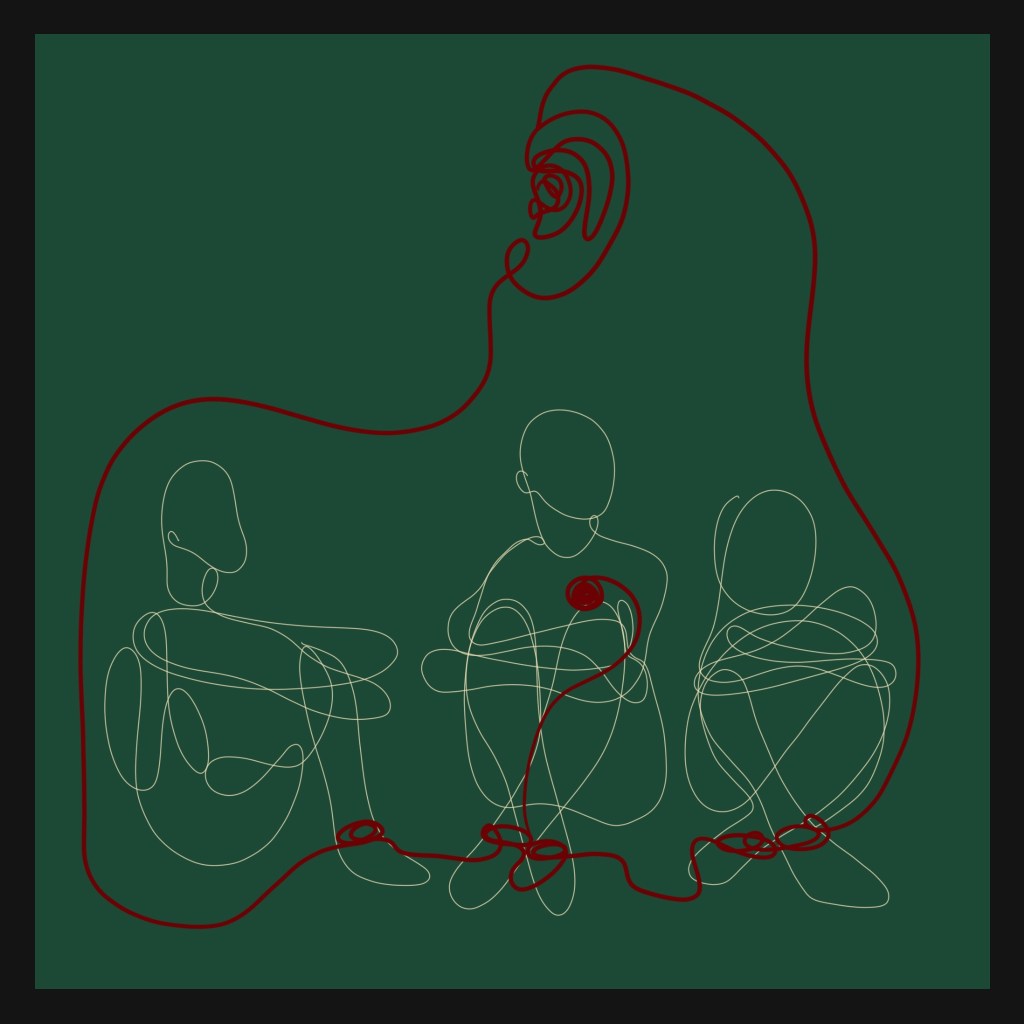
 The Auricle