
By Natasha Rasaratnam
Phase 1: Relief
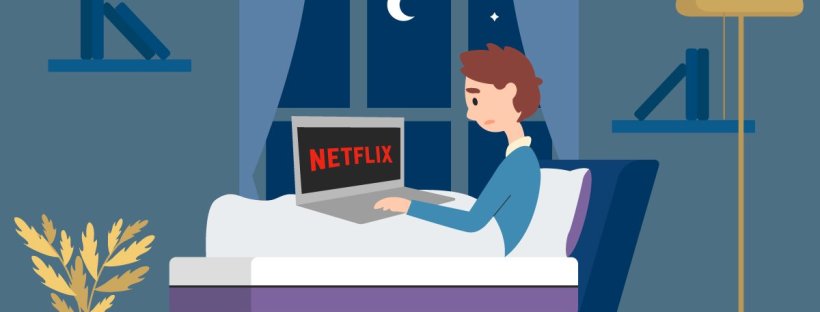
The day I received the email that we were off placement for the next two weeks, I was overjoyed! Maybe it had something to do with the fact that I was close to burnout and this was the closest thing I would get to a mid-semester break. Maybe it was because I was a great deal behind in my studies. Or maybe an excuse to stay in bed and watch Netflix seemed like a blessing in disguise.
Phase 2: Self-motivation
As quarantine started to become more than just a two week ordeal, social media was blowing up with self-help articles. Inspired by the countless, “Here are 10 things to do in isolation,” I found myself with a new motivation to self-improve during this time. How many times had I said, “I wish I had the time to read again” or “I wish I had the time to exercise,”? Now there was no excuse to not complete my wish list. The next thing I knew, I was doing crunches on my bedroom floor as I tried to ‘Get Abs in 2 weeks’ thanks to Chloe Ting.
Phase 3: A Creature of Habit
Let’s just say that I did not make it through the whole two weeks, not even close. My motivation to try new things lasted a maximum of three days. I found myself a creature of habit, returning to my sanctuary of Netflix and YouTube. Instead of becoming the MasterChef I always wanted to be, I racked up an impressive amount of completed TV shows that I had binged.
Phase 4: Loneliness
As the weeks started to all combine together to become an endless cycle of day and night, I found myself yearning for human interaction outside my family. Soon I was dreaming about eating out, a trip to the shops, even the face-to-face interaction of tutorials after facing the awkward silences on Zoom tutorials. Though previously taken for granted, I soon came to realise how much I valued human interaction.
Phase 5: The Bubble
Yet despite the sudden mundaneness of life and everything seemingly coming to a halt, as soon as I turned on the news, the bubble I had created for myself burst. Maybe it was my way of avoiding the reason why I was in isolation in the first place, pretending that we were on an extended holiday rather than a government enforced quarantine. After all, it’s a bizarre scenario that sounds like something straight out of an apocalyptic film.
I think it can be easy for us to feel trapped in our own home, inside our own isolation bubble. It’s enough to drive anyone crazy if we lose perspective. But the truth is we’re lucky. We’re lucky that for most of us, the worst part of this entire situation has been that we’re stuck at home. We’re lucky that we’re able to self-isolate with a roof over our heads, Netflix to binge and a steady supply of food in our supermarkets. Compared to the rest of the world, Australia is in an enviable position.
Phase 6: Where to go from here?
Whilst it is important to look at the situation in a positive light, for many of us social distancing has been a challenge. The isolation bubble not only keeps us from the outside, but traps us inside with our own stress and anxiety. The same internet and TV we turn to for entertainment now broadcasts the virus almost 24/7. The constant media coverage of infection and death rates only raises anxiety. Although we may be physically isolated, it is important to prevent emotional isolation. Whether it be through Facetime, Facebook or an old-fashioned phone call, it is important to stay connected.
Phase 7: The Light at the End of the Tunnel
Indeed, this is something we never expected, and I don’t think there is any ‘right way’ to do isolation. You don’t need to come out of this a reformed person with abs and a cooking repertoire. Instead, there are many lessons that we have already learnt from this experience that will make us all better doctors. Resilience and the ability to adapt to rapid changes will hold us fast in our future careers. Most importantly, we have recognised the power we have if we all work together. As we see the number of cases fall in Australia, it’s a positive sign that our communal effort to social distance has been effective. At last, there seems to be light at the end of the tunnel.
 The Auricle